Introduction
Modern mining is no longer defined solely by extraction. Across regions like the Highveld, mining companies are increasingly expected to play a broader role—supporting local communities, protecting the environment, and contributing to long-term development. This evolving expectation is often referred to as the “social license to operate,” a concept that emphasizes trust, responsibility, and mutual benefit between mining companies and the communities in which they operate.
Understanding the Social License to Operate
The social license to operate goes beyond legal permits and regulatory approvals. It reflects the level of acceptance and approval a mining project receives from local communities and stakeholders. Without this trust, even technically sound projects can face resistance, delays, or disruption.
For mining companies, earning this license means actively engaging with communities, listening to their concerns, and ensuring that operations deliver tangible social and economic benefits.
Creating Local Employment Opportunities
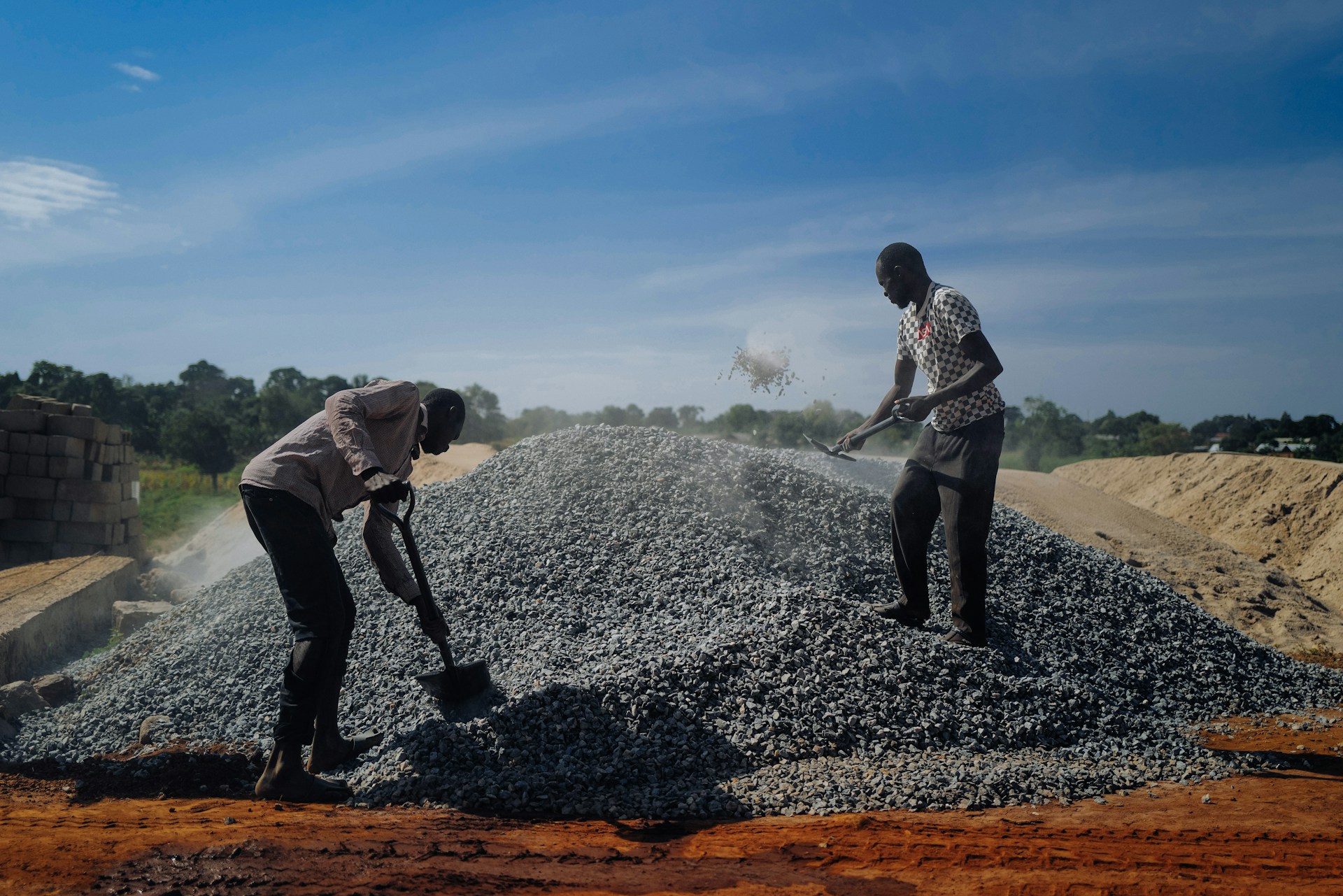
One of the most direct ways mining impacts communities is through job creation. Modern mining operations are placing greater emphasis on hiring locally, providing training, and developing skills that can benefit workers beyond the life of the mine.
By investing in workforce development, companies not only strengthen their operations but also contribute to long-term economic stability in the region.
Supporting Education and Social Infrastructure
Mining companies are increasingly contributing to the development of schools, healthcare facilities, and community infrastructure. These investments help improve quality of life and create opportunities for future generations.
Initiatives may include:
- Supporting local schools with resources and infrastructure
- Funding vocational training programs
- Improving access to healthcare services
Such efforts demonstrate a commitment to shared value—where both the company and the community benefit.
Environmental Responsibility
Balancing development with environmental protection remains a critical challenge. Modern mining practices are evolving to reduce environmental impact through:
- Land rehabilitation and restoration
- Responsible waste management
- Monitoring and reducing emissions
By prioritizing sustainability, mining companies can minimize long-term ecological damage while maintaining productive operations.
Building Long-Term Partnerships
Successful mining operations are built on strong relationships with local communities, governments, and stakeholders. Transparent communication, community engagement, and accountability are key to maintaining trust.
Rather than short-term interventions, the focus is shifting toward long-term partnerships that continue to deliver value even after mining activities conclude.
Conclusion
The future of mining in regions like the Highveld depends on more than resource extraction. By embracing the principles of the social license to operate, modern mining companies can create lasting positive impact—supporting communities, protecting the environment, and ensuring sustainable development alongside economic growth.